


AIDA Featured by CORDIS: AI Supporting Clinicians for Better Prevention

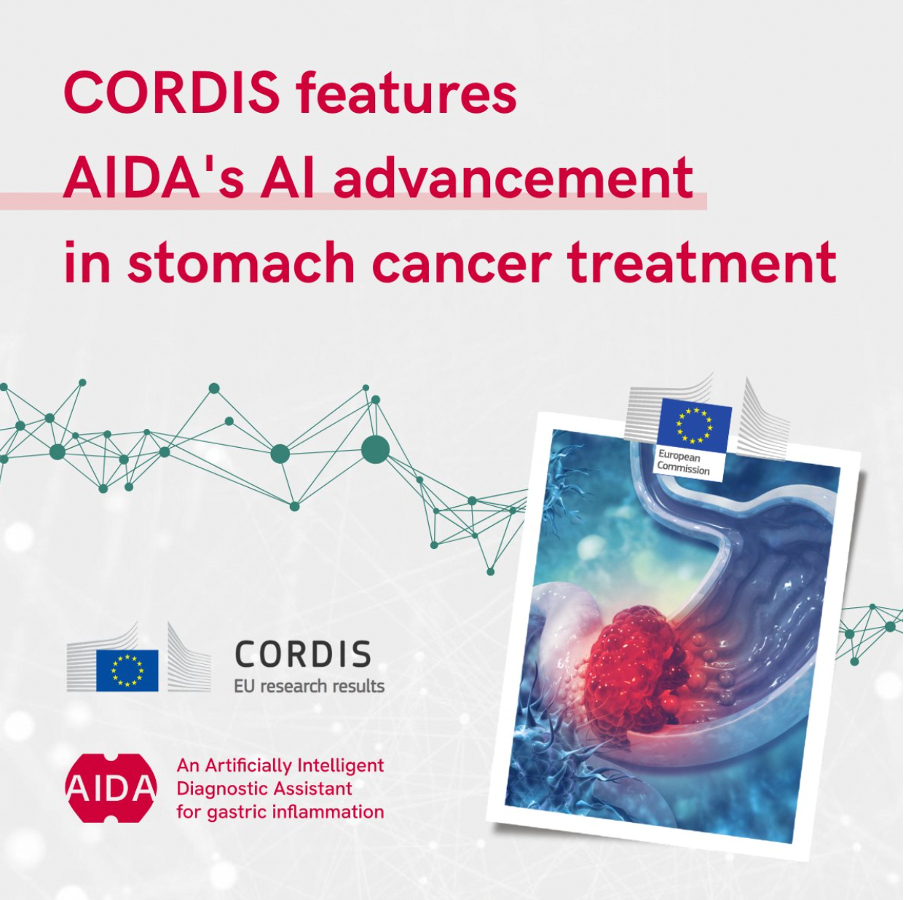
AIDA was recently featured by CORDIS, the official portal of the European Commission for EU-funded research results, highlighting the project’s AI-powered diagnostic assistant for Helicobacter pylori treatment and gastric cancer prevention.

Using data from over 38,000 patients across Europe, AIDA’s AI system provides personalised treatment recommendations that significantly improve eradication success. The tool considers individual patient factors such as symptoms, allergies, medications, and age.

Importantly, this innovation complements, not replaces, clinical expertise. By supporting timely, data-driven decisions, the AI enables earlier intervention and more effective prevention strategies.

The CORDIS feature reflects the growing recognition of AIDA’s potential to transform gastric cancer prevention through artificial intelligence.

Read the complete publication.
Share

You might also be interested in

en

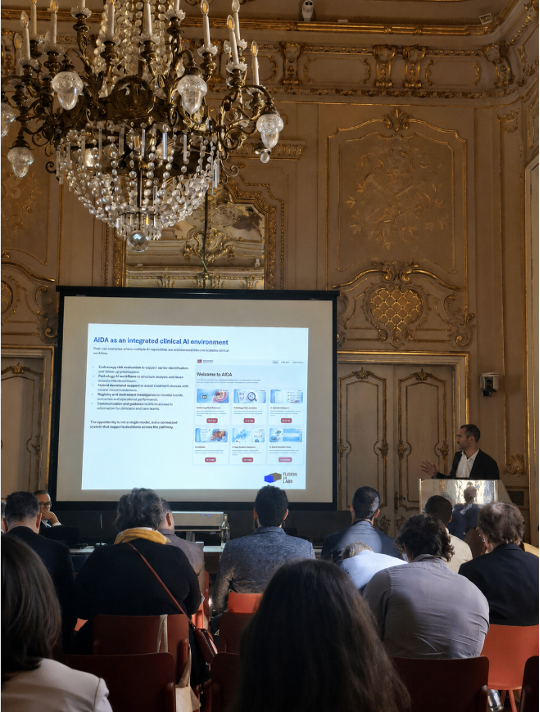
AIDA Showcases AI Innovation at “AI for Healthcare, Longevity & Wellness” Event in Genova

On April 23, 2026, the AIDA project was presented in the “AI for Healthcare, Longevity & Wellness” event in Genova, Italy, an international meeting dedicated to exploring how artificial intelligence is transforming healthcare and medical innovation. Organised by Fusion AI Labs, the event brought together clinicians, researchers, industry experts, and healthcare innovators to discuss the future of AI-driven medicine, including clinical

en

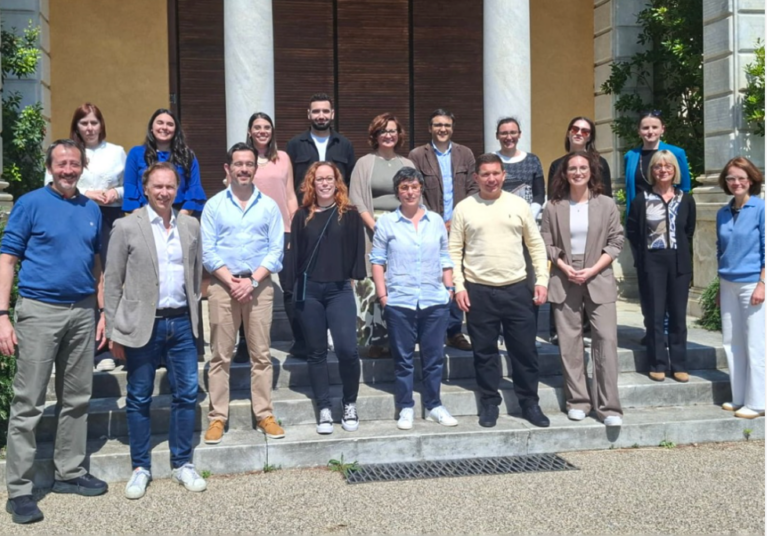
AIDA General Assembly 2026

The AIDA consortium gathered in Genova, Italy, on April 21 & 22, 2026, for the annual General Assembly Meeting, bringing together researchers, clinicians, AI experts, and patient representatives from across Europe to review progress and discuss the next steps of the project. Hosted at Villa Quartara, the meeting highlighted the progress achieved by the project over the past year. Over

en

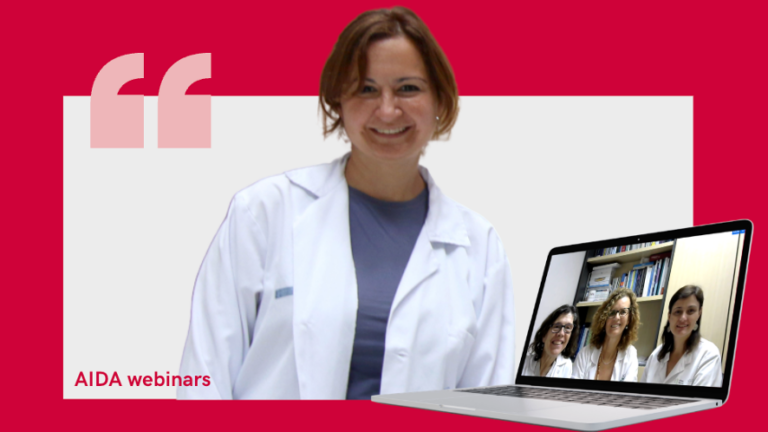
AIDA Webinar Series

In June 2025, the AIDA project launched a three-part webinar series dedicated to improving understanding and prevention of gastric cancer, one of the world’s most deadly yet preventable cancers. Led by experts from leading Spanish institutions, the series brought together clinicians, researchers, patients, and the broader public for dynamic and interactive learning sessions.