



Behind the scenes

what

AIDA aims to develop and validate a multidisciplinary AI-powered assistant that will support clinicians in gastric cancer prevention by diagnosing precancerous gastric-inflammation and suggesting personalised therapeutics and monitoring.

how

We envision a new form of collaboration, beyond the public-private partnership model, in which participants from different countries or sectors exchange their data to create public value.

Data collaboratives form a sustainable answer to the problem that collaborative research and clinical innovation are generally limited to local, fragmented of limited quality, and research is progressing through ad-hoc collaborations on specific projects.

why

The Sooner. The Better.

Most cases of gastric cancer are detected at a late stage, when patients have a median life expectancy of about a year. Diagnosing people at risk of developing gastric cancer at the pre-symptomatic stage, typically chronic infection with H. pylori, could significantly improve the outlook.

Spread the word!

In order to make our research accessible to everyone, you can easily download a free documentation of AIDA. No registration needed.

what

AIDA related news

en

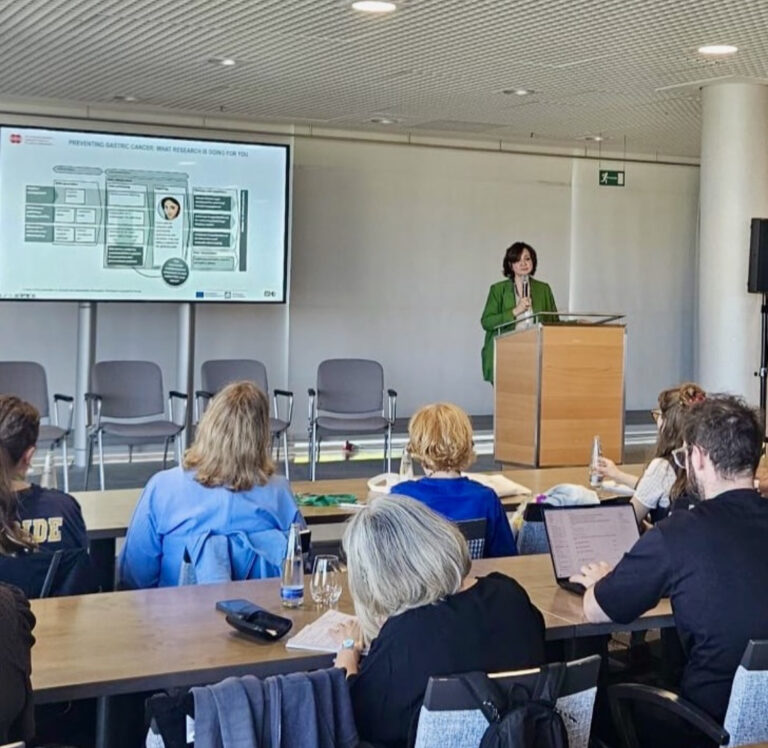
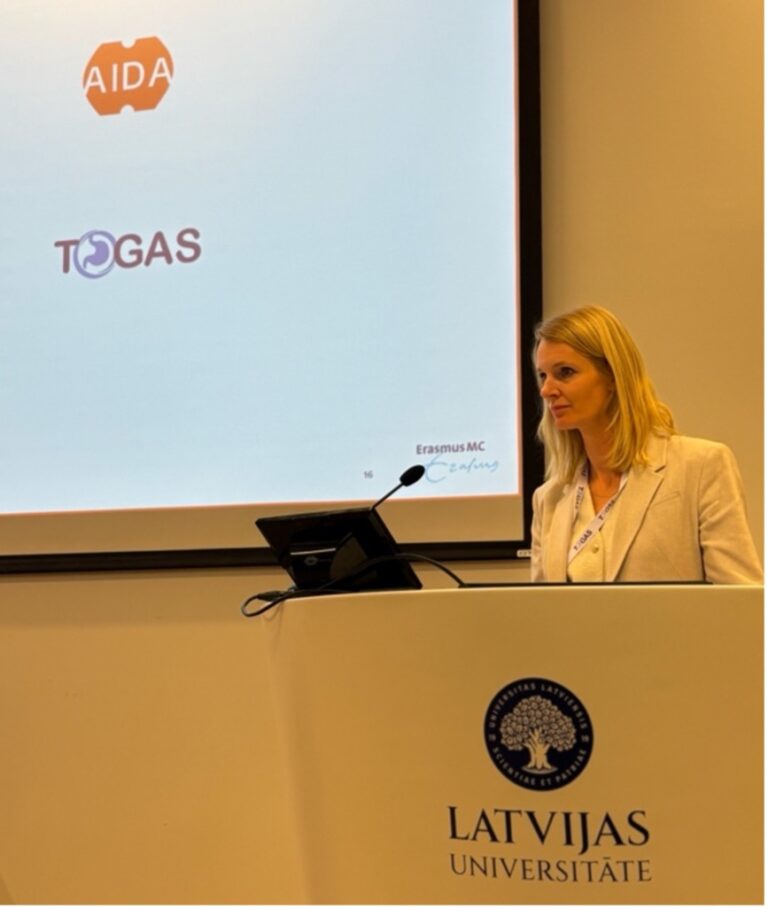
AIDA at ESMO GI 2026 and the DiCE Masterclass in Munich

The AIDA consortium was proud to join the digestive cancer community in Munich during the 2026 edition of the ESMO Gastrointestinal Cancers Congress (ESMO GI 2026) and the DiCE Masterclass, two key events bringing together clinicians, researchers, patient advocates and
en

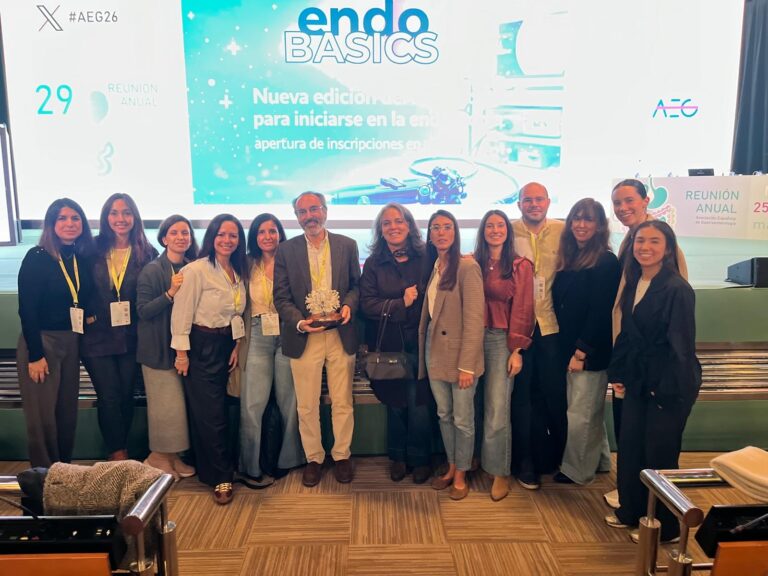
AIDA Partner SERMAS/FIBHUP at AEG 2026 in Madrid

The AIDA consortium is proud to highlight the outstanding participation of our partner SERMAS/FIBHUP at the 29th Annual Meeting of the Spanish Association of Gastroenterology (AEG 2026), one of Spain’s leading scientific events in digestive health.