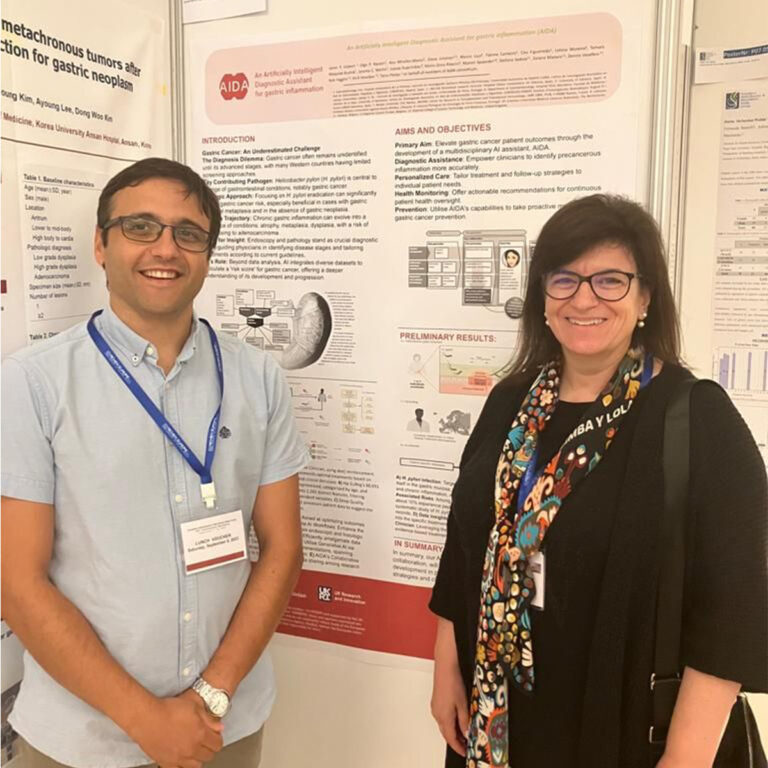
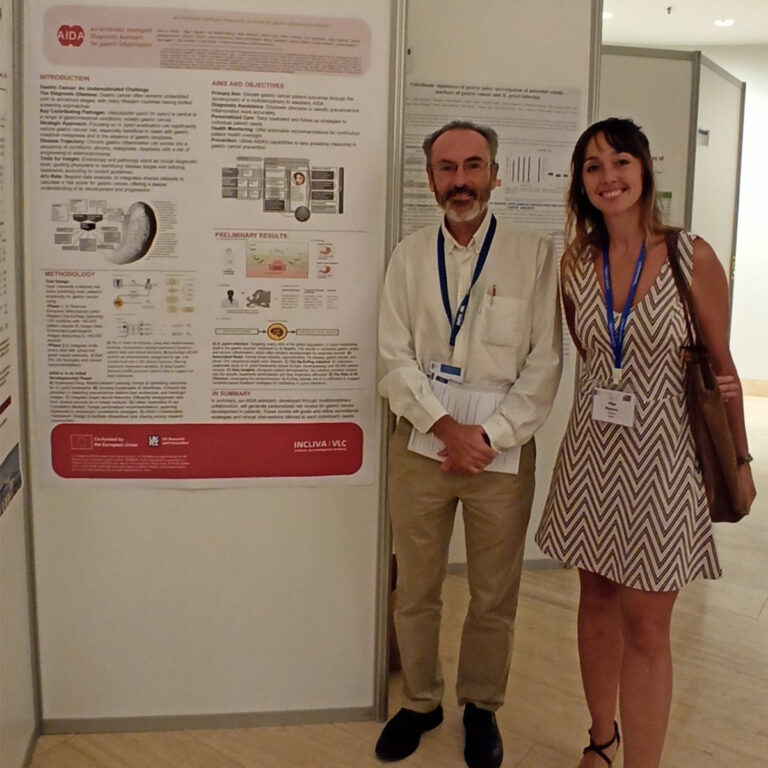





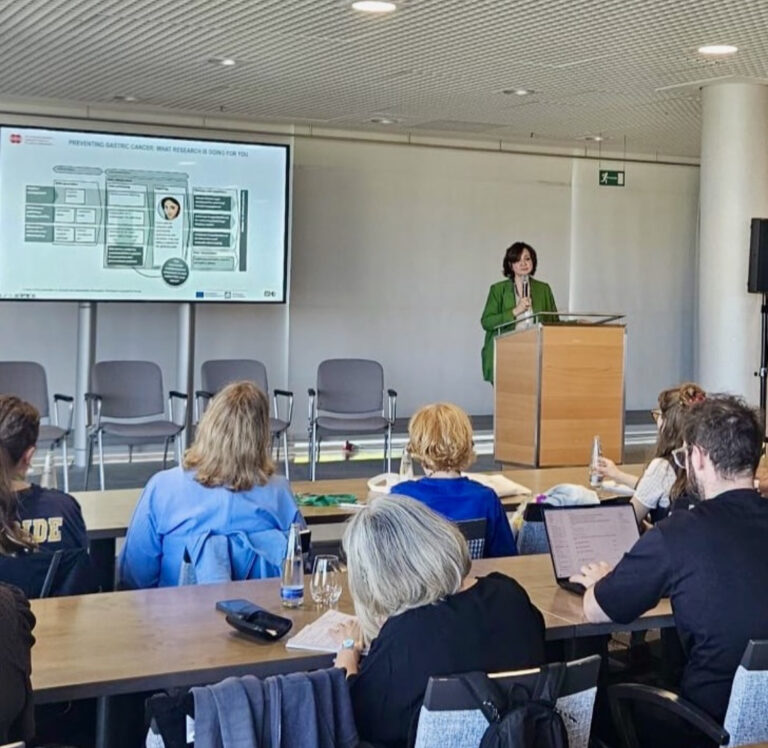
The AIDA consortium was proud to join the digestive cancer community in Munich during the 2026 edition of the ESMO Gastrointestinal Cancers Congress (ESMO GI 2026) and the DiCE Masterclass, two key events bringing together clinicians, researchers, patient advocates and healthcare professionals working to improve outcomes in digestive cancers. One of the highlights of the week was the participation of
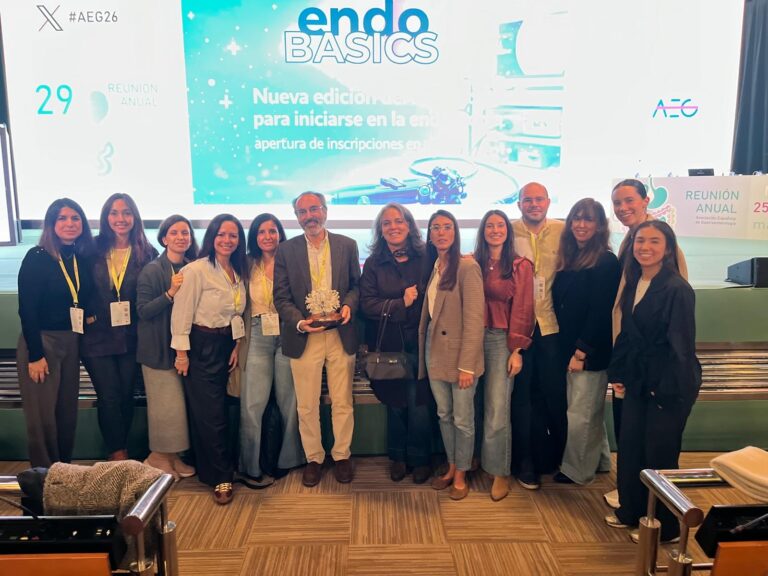
The AIDA consortium is proud to highlight the outstanding participation of our partner SERMAS/FIBHUP at the 29th Annual Meeting of the Spanish Association of Gastroenterology (AEG 2026), one of Spain’s leading scientific events in digestive health.
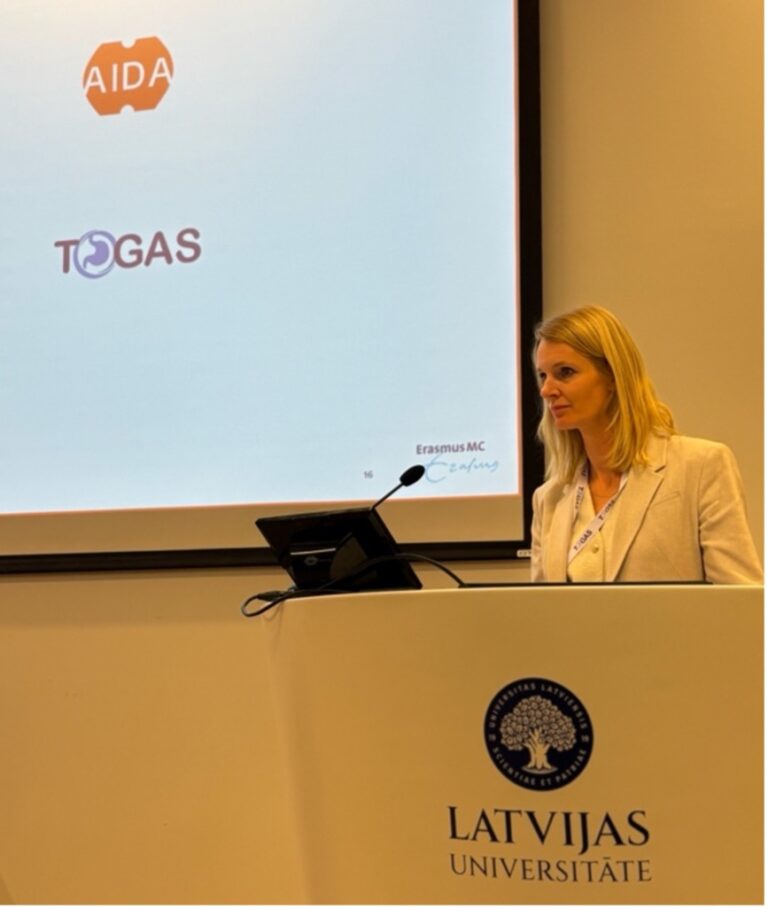
The AIDA project was highlighted during the closing meeting of the TOGAS project, reinforcing the strong scientific connections and collaboration between both European initiatives dedicated to improving gastric cancer prevention and management. TOGAS is an international research project with several institutions as partners in both TOGAS and AIDA, strengthening collaboration across research, clinical practice, and innovation in gastrointestinal health. One