


AIDA Publishes Major AI Breakthrough in Nature Communications

AIDA researchers have published a significant scientific advance in Nature Communications: an AI-powered “Clinician” capable of recommending personalised treatment for Helicobacter pylori (H. pylori), the leading cause of gastric cancer worldwide.

The system was developed using reinforcement learning and trained on real-world data from more than 38,000 patients in the European Hp-EuReg registry. The results are striking. AI-recommended therapies showed a 94.1% eradication success rate, compared with 88.1% for standard treatment.

This innovative approach does not replace doctors but strengthens clinical decision-making. By analysing thousands of patient profiles and treatment pathways, the AI provides evidence-based recommendations tailored to each individual. The system is currently being evaluated for integration into future clinical workflows.

This achievement marks an important step in AIDA’s mission to reduce gastric cancer burden through advanced diagnostic and therapeutic tools powered by artificial intelligence.
Read the full article

Share

You might also be interested in

en

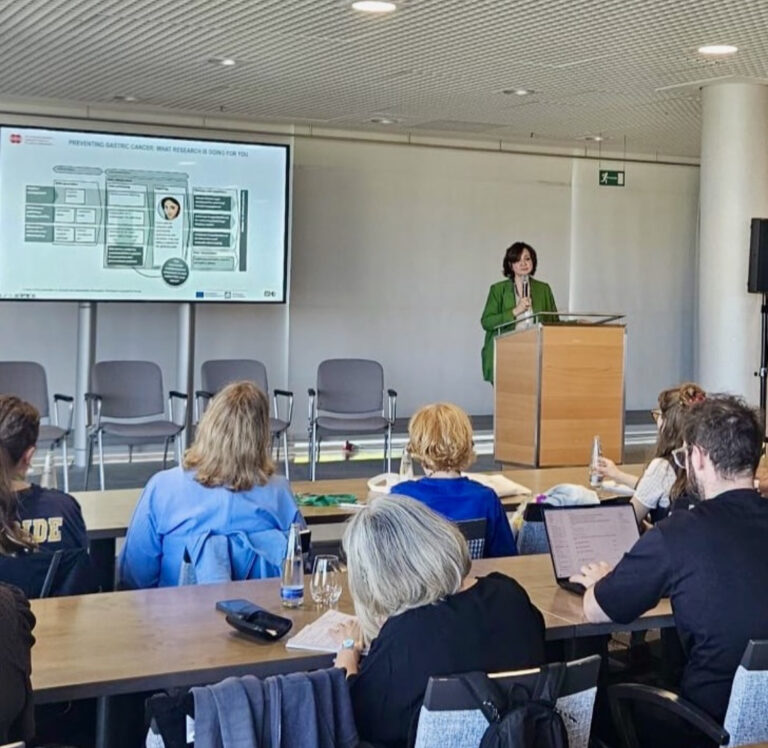
AIDA at ESMO GI 2026 and the DiCE Masterclass in Munich

The AIDA consortium was proud to join the digestive cancer community in Munich during the 2026 edition of the ESMO Gastrointestinal Cancers Congress (ESMO GI 2026) and the DiCE Masterclass, two key events bringing together clinicians, researchers, patient advocates and healthcare professionals working to improve outcomes in digestive cancers. One of the highlights of the week was the participation of

en

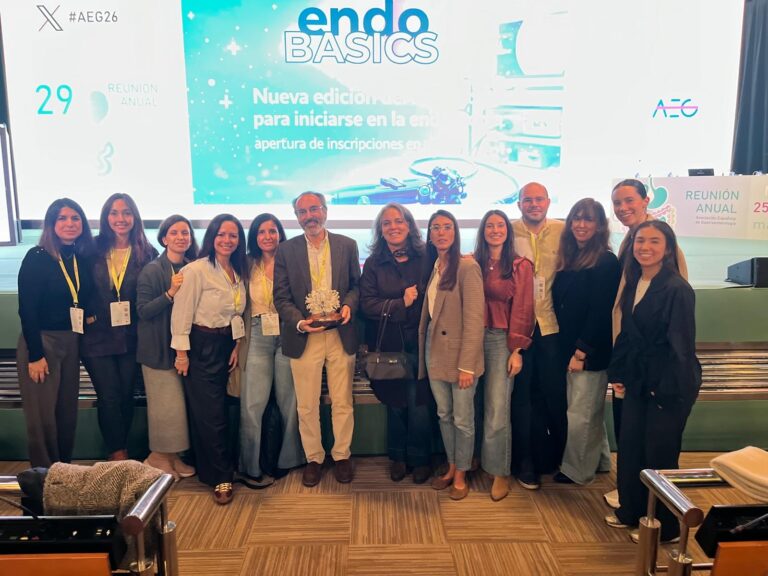
AIDA Partner SERMAS/FIBHUP at AEG 2026 in Madrid

The AIDA consortium is proud to highlight the outstanding participation of our partner SERMAS/FIBHUP at the 29th Annual Meeting of the Spanish Association of Gastroenterology (AEG 2026), one of Spain’s leading scientific events in digestive health.

en

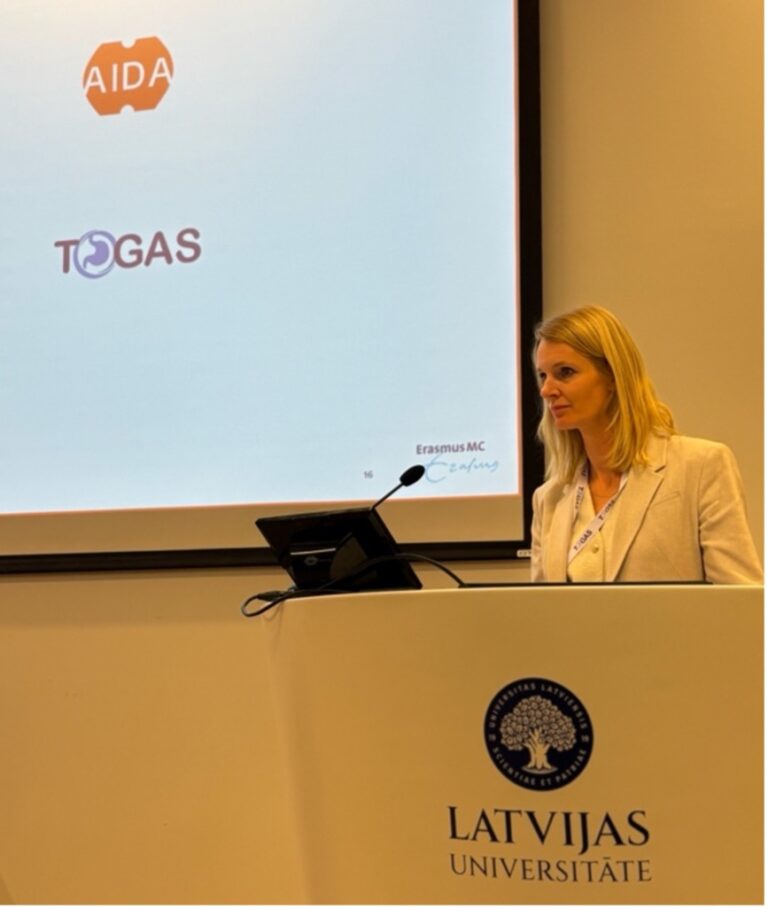
AIDA Highlighted at TOGAS Closing Meeting: Shared Efforts Advancing Gastric Cancer Prevention

The AIDA project was highlighted during the closing meeting of the TOGAS project, reinforcing the strong scientific connections and collaboration between both European initiatives dedicated to improving gastric cancer prevention and management. TOGAS is an international research project with several institutions as partners in both TOGAS and AIDA, strengthening collaboration across research, clinical practice, and innovation in gastrointestinal health. One