


AIDA Publishes Major AI Breakthrough in Nature Communications

AIDA researchers have published a significant scientific advance in Nature Communications: an AI-powered “Clinician” capable of recommending personalised treatment for Helicobacter pylori (H. pylori), the leading cause of gastric cancer worldwide.

The system was developed using reinforcement learning and trained on real-world data from more than 38,000 patients in the European Hp-EuReg registry. The results are striking. AI-recommended therapies showed a 94.1% eradication success rate, compared with 88.1% for standard treatment.

This innovative approach does not replace doctors but strengthens clinical decision-making. By analysing thousands of patient profiles and treatment pathways, the AI provides evidence-based recommendations tailored to each individual. The system is currently being evaluated for integration into future clinical workflows.

This achievement marks an important step in AIDA’s mission to reduce gastric cancer burden through advanced diagnostic and therapeutic tools powered by artificial intelligence.
Read the full article

Share

You might also be interested in

Survey

AIDA Survey

The AIDA survey was designed to investigate citizens’ knowledge, attitudes, and behaviors regarding chronic inflammation of the gastric mucosa and to find out the best channel to inform the general population about this under-discussed health condition.

events

Webinar: Fighting against Helicobacter pylori: Experience based on 10 years of the HpEuReg

Fighting against Helicobacter pylori: Experience based on 10 years of the HpEuReg We are delighted to invite you to our webinar commemorating the Registry’s decade of success. Join us on 24 April at 5pm CET for an inspiring event. Register Now MODERATOR Dr. Javier P. Gisbert Dr. Javier P. Gisbert is the Principal Investigator of Hp-EuReg. He is the director

events

Aida Consortium Holds General Assembly Meeting at i3S- Porto

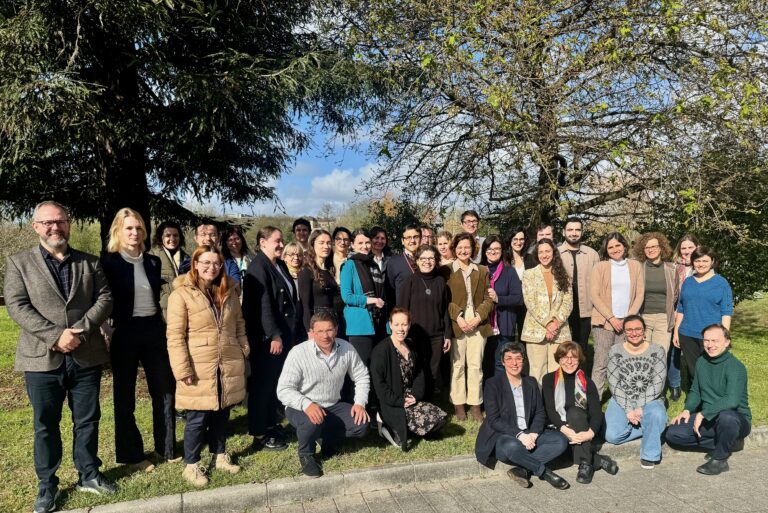
The Aida Consortium recently convened its first general assembly meeting on March 4 and 5 at i3S-Porto. The gathering focused on reviewing the project’s progress and outlining future steps to advance the innovative AI diagnostic assistant for detecting lesions before gastric cancer. Day 1 Highlights During the first day of the meeting, discussions centred on the application of AI in